P1–P2 · FOUNDATIONS
Settle into learning
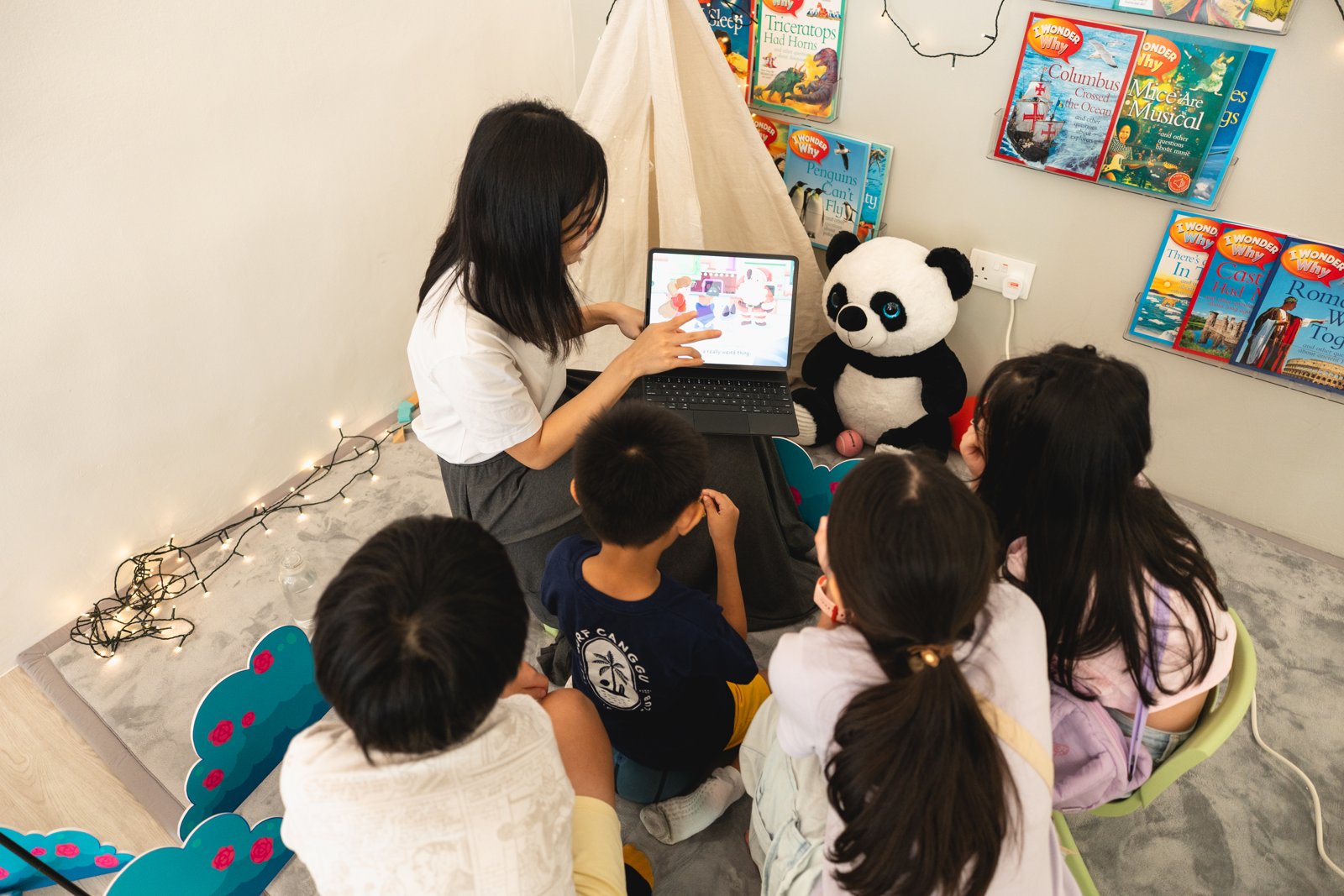
Language, number sense, starting tasks, organising belongings and asking for help. Science activities introduce early exploration.
THE PGL ACADEMIC PATHWAY
Educators guide daily schoolwork, P1 and PSLE Headstart practice, and optional 1-to-1 support for enrolled children. TAIP™ helps them organise observations and review what support is useful.
Discuss Your Child’s NeedsWEEKLY ACADEMIC SPINE
Focused Chinese, Mathematics and English practice—including spelling and 听写—leads into Friday Science investigation, while Monday movement helps children reset and prepare.
PSLE PREPARATION
PSLE support should be specific. We look at the child’s current work, recurring gaps, revision behaviour and response to guidance before deciding what additional support makes sense.
WHEN MORE SUPPORT IS NEEDED
Private tuition is not automatically prescribed to every child. It may be discussed when a learner needs focused subject teaching beyond what can reasonably be provided in the shared after school care environment.
Subjects, educator availability, schedule and fees are confirmed separately. No particular academic outcome is guaranteed.
Discuss Your Child’s Needs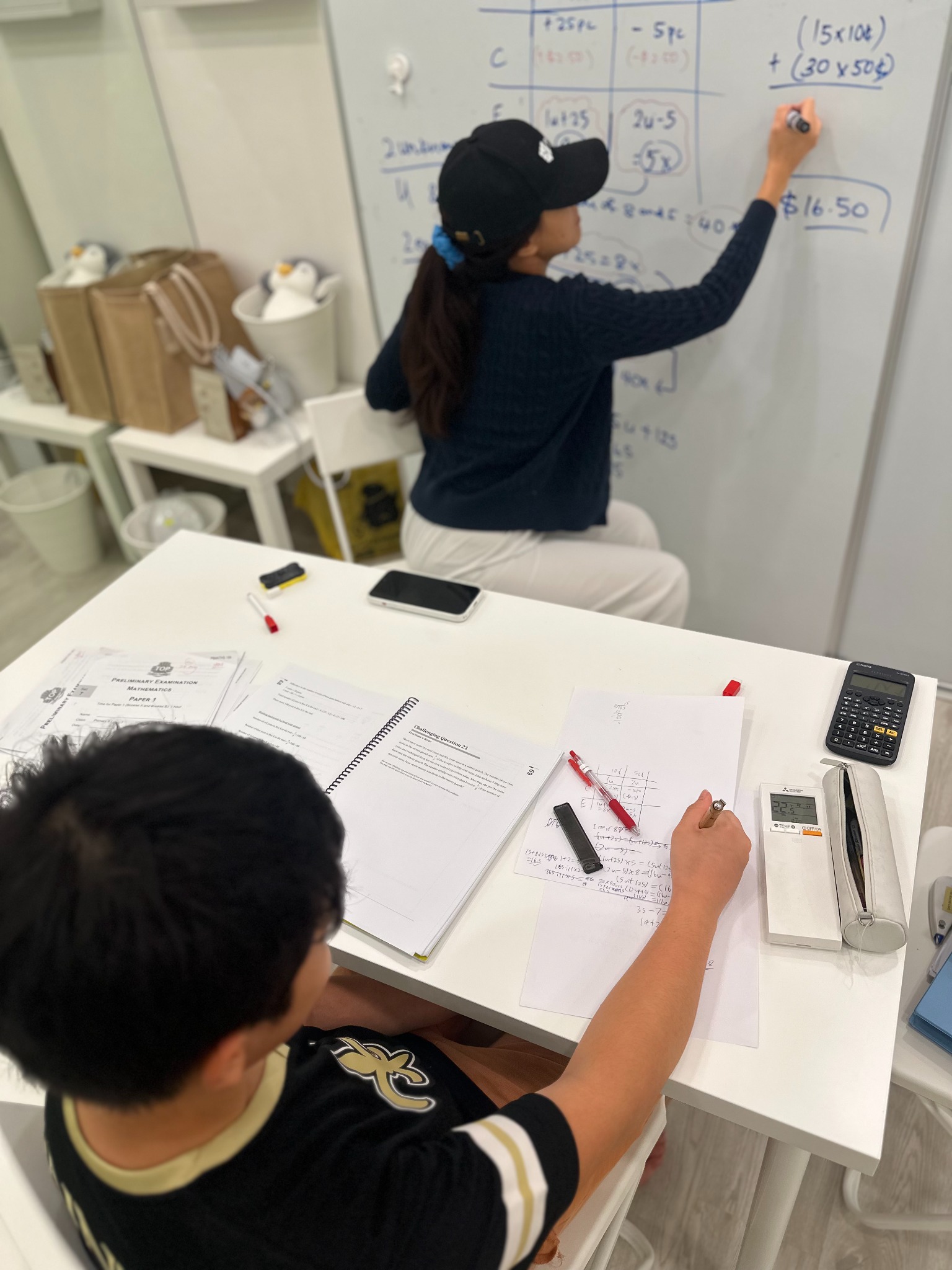
ACADEMIC BEHAVIOURS WE MAY NOTICE
SUPPORT MAY INCLUDE
Prompting and redirection · task structuring · modelling and guided practice · visual and time support · subject-specific strategy support.
TAIP™ is an educational observation and support framework. It is not a clinical assessment, medical service or diagnostic tool, and it does not guarantee particular academic or developmental outcomes.
INTRODUCING TAIP™
TAIP™ is our educational observation framework. Educators use it to connect what they notice, the support they try and the child’s response. Digital tools to help document and coordinate this work are still being developed.
Notice learning behaviour in context.
Choose an appropriate strategy.
Note the child’s response and help still needed.
Revisit, compare and adjust the support.
Share meaningful visibility.
TAIP CORE · THROUGH THE PRIMARY YEARS
Structured support, emotional regulation and meaningful support sit across the pathway. The emphasis changes with the child’s stage and the educator’s observations.
P1–P2 · FOUNDATIONS
Language, number sense, starting tasks, organising belongings and asking for help. Science activities introduce early exploration.
P3–P4 · TRANSITION
Consolidate subject understanding, work through multi-step tasks and build more independent routines as school demands grow.
P5–P6 · READINESS
Target identified gaps, practise revision and checking habits, and develop PSLE readiness without losing sight of well-being.
These are educational support stages, not diagnostic categories or guarantees of results.
See a fictional example of observation and follow-throughVISIBLE PROGRESS
TAIP™ helps our team observe academic habits, task engagement, organisation, emotional regulation and responses to support.
Relevant observations may be brought together in a Learning and Behavioural Progress Report: what was noticed, the support tried, the response and the next review. Discuss the reporting format and arrangements at enrolment. Educators review and take responsibility for reports; automated assessments and real-time reporting are not promised.
TAIP™ supports educational observation and planning. It is not a clinical assessment, diagnosis or medical service.
ONE CONNECTED SYSTEM
Because learning happens inside the child’s real afternoon, our team can connect daily behaviour, academic work and targeted support instead of treating each as a separate problem.
Meet Our Education TeamTHE PGL ACADEMIC PATHWAY
Not every child needs tuition. Every child deserves academic support that can become more focused when the evidence shows it is needed.
Priority homework, spelling and 听写 practice, SLS assignments, guided practice, reading, organisation and steady work habits within the after school care day.
Focused consolidation of subject gaps, revision planning, exam habits, time awareness and the independence expected in P5 and P6.
Private teaching for enrolled children, arranged separately when deeper subject support, targeted coaching or more intensive preparation is needed.